You can tell a lot about an industrial plant by how operators monitor their processes.
Some facilities still depend heavily on assumptions. A pressure reading here, a temperature value there, someone listening for unusual sounds in the pipeline because experience taught them what “normal” feels like.
And then there are plants where visibility is built into the system itself.
Not just visibility in the physical sense. Operational visibility.
Because one of the biggest risks inside chemical and pharmaceutical manufacturing is not always equipment failure. Sometimes it’s simply not seeing what’s happening early enough.
A minor leakage. Foam formation inside a vessel. Fluid inconsistency. Flow interruption. Contamination signs.
Tiny things at first. But industrial problems rarely stay tiny for long.
That’s one reason industrial monitoring systems are receiving far more attention now than they did a decade ago. Especially sight glass systems.
Table of Contents
Most people outside manufacturing never notice sight glass systems
Which is funny, honestly, because inside many plants they quietly play a critical role every single day.
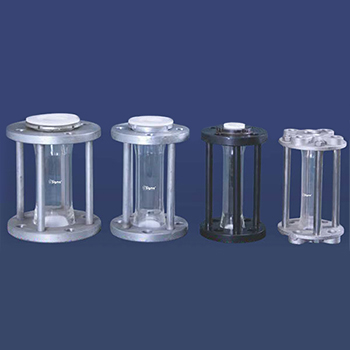
An industrial sight glass allows operators to visually monitor liquid flow, pressure conditions, chemical reactions, and processing activity without interrupting operations or opening closed systems.
Simple idea. Massive operational value.
Because opening industrial equipment for inspection is not always practical, safe, or even possible during active processing.
Particularly in chemical environments where hazardous fluids, vapors, or corrosive substances are involved.
Or inside pharmaceutical production lines where contamination control matters almost obsessively.
This is where borosilicate sight glass systems become important. They provide clear process visibility while handling high temperatures and chemically aggressive conditions at the same time.
And honestly, operators trust what they can see.
That matters more than most people realize.
Demand is growing because factories are becoming more process-driven
Industrial plants are changing. Not loudly. Not through dramatic headlines. Just steadily.
Automation is increasing. Compliance expectations are tightening. Production losses from leakage or contamination are becoming costlier. Safety audits are more detailed than before. Process documentation matters more now, especially in export-focused manufacturing.
All of this increases the demand for reliable industrial monitoring systems.
Which explains why industries are investing more heavily in industrial sight glass installations across pipelines, reactors, tanks, and flow systems.
The growth is especially visible in chemical manufacturing units, pharmaceutical plants, specialty chemical processing facilities, fertilizer industries, dye manufacturing, and high-purity production environments.
These industries cannot afford blind spots anymore.
That’s really the heart of it.
A lot of companies searching for the best industrial sight glass manufacturer in India are not simply buying components. They are trying to reduce operational uncertainty inside highly sensitive production environments.
And those are very different purchasing decisions.
Chemical plants rely heavily on process visibility
Chemical processing environments can become unpredictable quickly.
Temperatures fluctuate. Pressure levels change. Reactions evolve in real time. Some fluids become dangerous if flow conditions are interrupted without warning.
In older systems, operators often depended mostly on instrumentation data. But modern plants increasingly combine instrumentation with direct visual process monitoring because it adds another layer of operational awareness.
That’s where industrial sight glass systems are commonly installed.
Inside reactors. Pipelines. Storage vessels. Flow monitoring systems.
A borosilicate sight glass for chemical plants performs particularly well because it handles corrosive media while maintaining optical clarity under difficult conditions.
And clarity matters. Not aesthetically. Operationally.
When operators can identify bubbles, color changes, sediment buildup, foam formation, or abnormal flow patterns early, larger failures can often be prevented before they escalate.
That kind of visibility saves time, maintenance costs, and sometimes entire production batches.
Pharma companies care about cleanliness in a very different way
Pharmaceutical manufacturing has its own rhythm. Cleaner environments. Tighter monitoring. More controlled production cycles.
And there’s very little tolerance for contamination risks.
An industrial sight glass for pharma industry applications helps operators monitor production without directly exposing systems to external environments. That’s incredibly important in hygienic manufacturing processes where maintaining sterile conditions is part of daily operations.
Pharma facilities also tend to value process consistency deeply.
Not “mostly consistent.” Precisely consistent.
Being able to visually confirm fluid movement, flow consistency, and reaction behavior helps production teams maintain tighter quality control during sensitive manufacturing stages.
And because borosilicate glass resists chemical interaction while maintaining transparency, it fits naturally into these environments.
Quietly dependable equipment tends to earn long-term trust inside pharma plants.
Not all sight glass systems work the same way
People sometimes speak about sight glass like it’s one standard product. It really isn’t.
Different industrial operations require different monitoring systems depending on pressure conditions, fluid type, visibility requirements, and installation environments.
Tubular sight glass systems are commonly used where direct fluid observation is required over a continuous flow path.
Reflex gauge glass systems work differently. They help operators distinguish liquid levels more clearly through reflective visibility changes, especially in pressurized applications.
Transparent sight glass systems provide full visual access for more detailed monitoring conditions.
Flow indicator sight glasses help confirm whether fluids are moving correctly through pipelines and processing systems.
And this variation matters because industrial operations themselves vary so much.
Good equipment selection is rarely about buying “the best” universally. It’s about choosing what fits the process correctly.
Why borosilicate glass keeps showing up in industrial systems
There’s a reason borosilicate glass became widely preferred across demanding industrial environments.
Actually, several reasons. Heat resistance. Chemical durability. Optical clarity. Stability under harsh process conditions.
But beyond technical properties, there’s something practical about it too.
Industrial operators need equipment that stays reliable without constantly demanding attention.
A borosilicate sight glass maintains visibility even in chemically aggressive environments where ordinary materials may degrade, discolor, or weaken over time.
This becomes especially important in industries handling acids, solvents, corrosive liquids, or high-temperature process streams.
And over long operational cycles, material reliability becomes operational reliability.
The connection is very direct.
Precision manufacturing matters more than people think
Poorly manufactured monitoring equipment creates risks that are often underestimated early on.
Small sealing issues become leakage points. Weak fitting tolerances reduce pressure reliability. Surface imperfections affect long-term durability.
And industrial environments are not forgiving. That’s why precision manufacturing matters heavily in industrial glass equipment.
Reliable fabrication improves leak resistance, structural stability, pressure handling, and overall service life. Especially in continuous production environments where shutdowns affect entire operational schedules.
An experienced corrosion resistant sight glass supplier understands this well because industrial buyers are not simply looking for visibility anymore. They expect durability alongside it.
Which honestly makes sense. If a monitoring component itself becomes a maintenance problem, it defeats its own purpose.
Industrial monitoring is becoming smarter, faster, and more visual
There’s a noticeable shift happening inside manufacturing environments.
Operators want real-time visibility now. Faster inspections. Better process tracking. Earlier problem detection.
Smart manufacturing systems are pushing industries toward equipment that supports quicker operational decisions without interrupting production flow.
And visual process monitoring fits naturally into that future.
Chemical plants are scaling specialty production. Pharma companies are tightening quality systems further. Industrial automation continues expanding across sectors.
As this happens, demand for industrial sight glass systems will likely continue growing because visibility itself is becoming part of operational efficiency.
Not an extra feature. An expectation.
Final thought
The safest industrial plants are rarely the loudest or most impressive from the outside.
Usually, they’re the ones where operators can clearly understand what’s happening inside their systems before problems become serious.
That’s the quiet value a reliable sight glass manufacturer brings into chemical and pharmaceutical operations.
For industries focused on safer processing, contamination control, leak prevention, and long-term operational efficiency, investing in dependable industrial sight glass systems is no longer just about monitoring equipment. It’s becoming part of how modern manufacturing protects both productivity and people.